An architect who speaks revenue.
A salesperson who speaks engineer.
I translate business pain points into technical workflows.
What I bring to the table
Discovery & Needs Analysis
Leading discovery conversations to identify client pain points and mapping them to tailored AI and technical solution architectures.
Tech-to-Business Communication
Expert at presenting complex technical solutions to non-technical stakeholders, driving retention and revenue through solution-based selling.
AI Workflow Architecture
Designing end-to-end automation pipelines with operational guardrails, multi-agent orchestration, and structured state tracking.
From first call to recurring revenue
Discovery & scoping
I sit with the client to map pain points, technical landscape, and success metrics before proposing anything. I define what "solved" looks like in their terms.
Solution architecture
I design a tailored solution mapping their requirements to our technical capabilities, with clear ROI projections and a phased implementation path.
PoC validation
I build and present proof-of-concept demos in their environment, not generic slides. Stakeholders see measurable results before any production commitment.
Delivery & growth
I stay through implementation to bridge engineering and account teams, then drive renewals, upsell, and optimization as the solution matures.
Built and validated PoCs
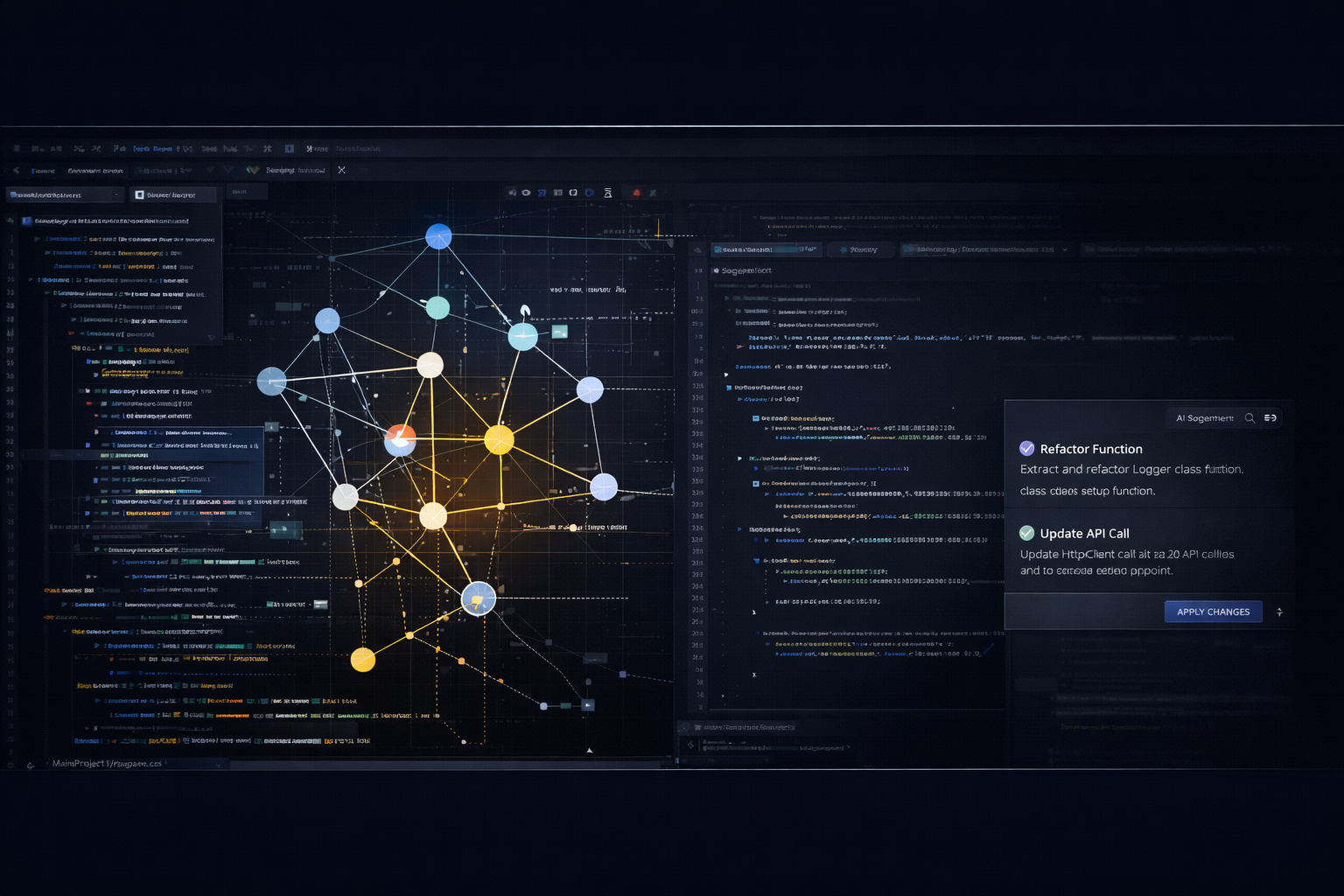 Code Intel
Codebase-Aware AI for Safer Code Changes
MCP-powered code intelligence that gives AI agents structured awareness of code relationships through AST parsing and dependency mapping, reducing hallucinated edits and enabling pre-change impact analysis.
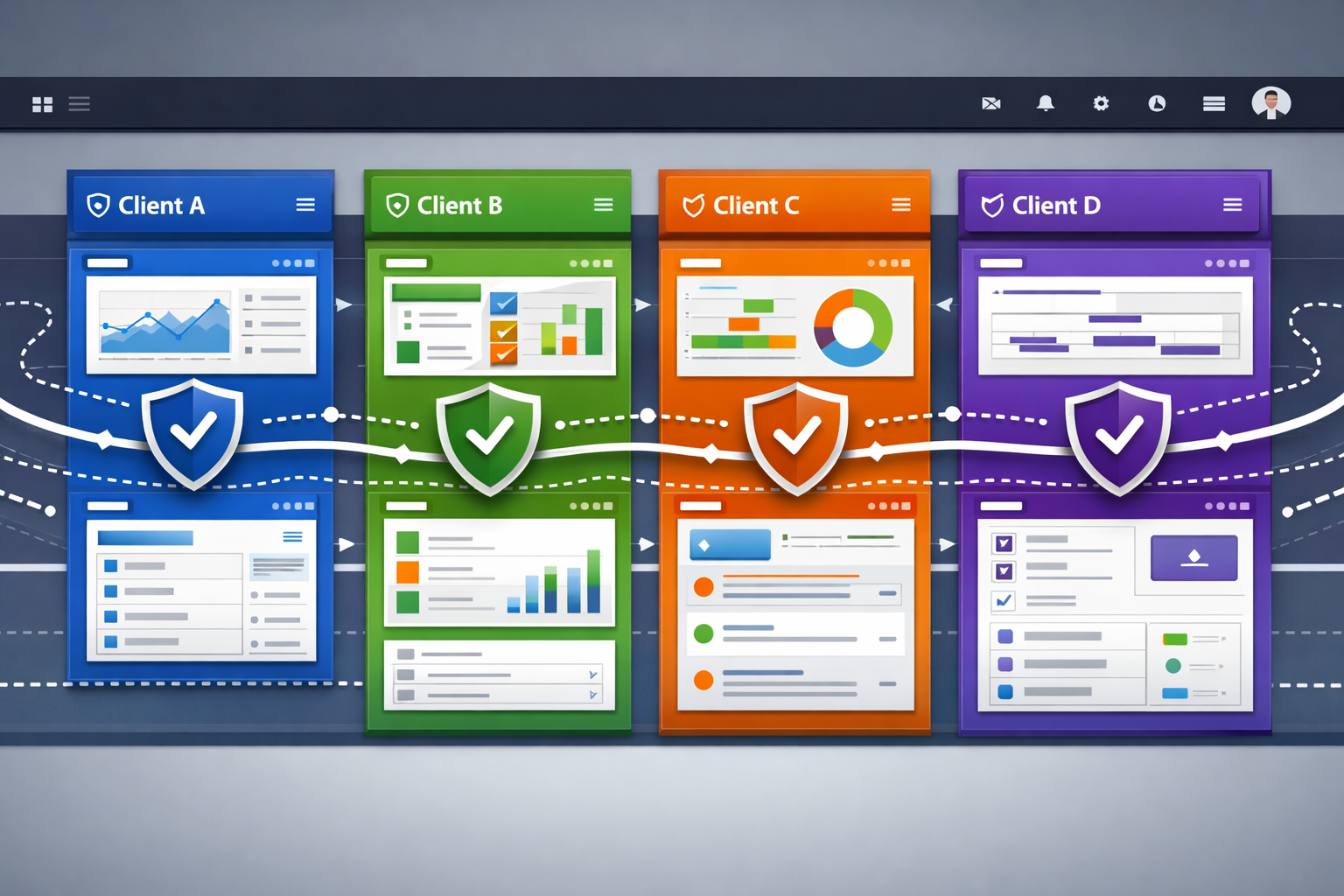 Multi-Project
Scoped AI Context for Parallel Workstreams
Automatic context isolation across 10+ concurrent projects, preventing cross-client data bleed while preserving routing logic, operational clarity, and compliance boundaries.
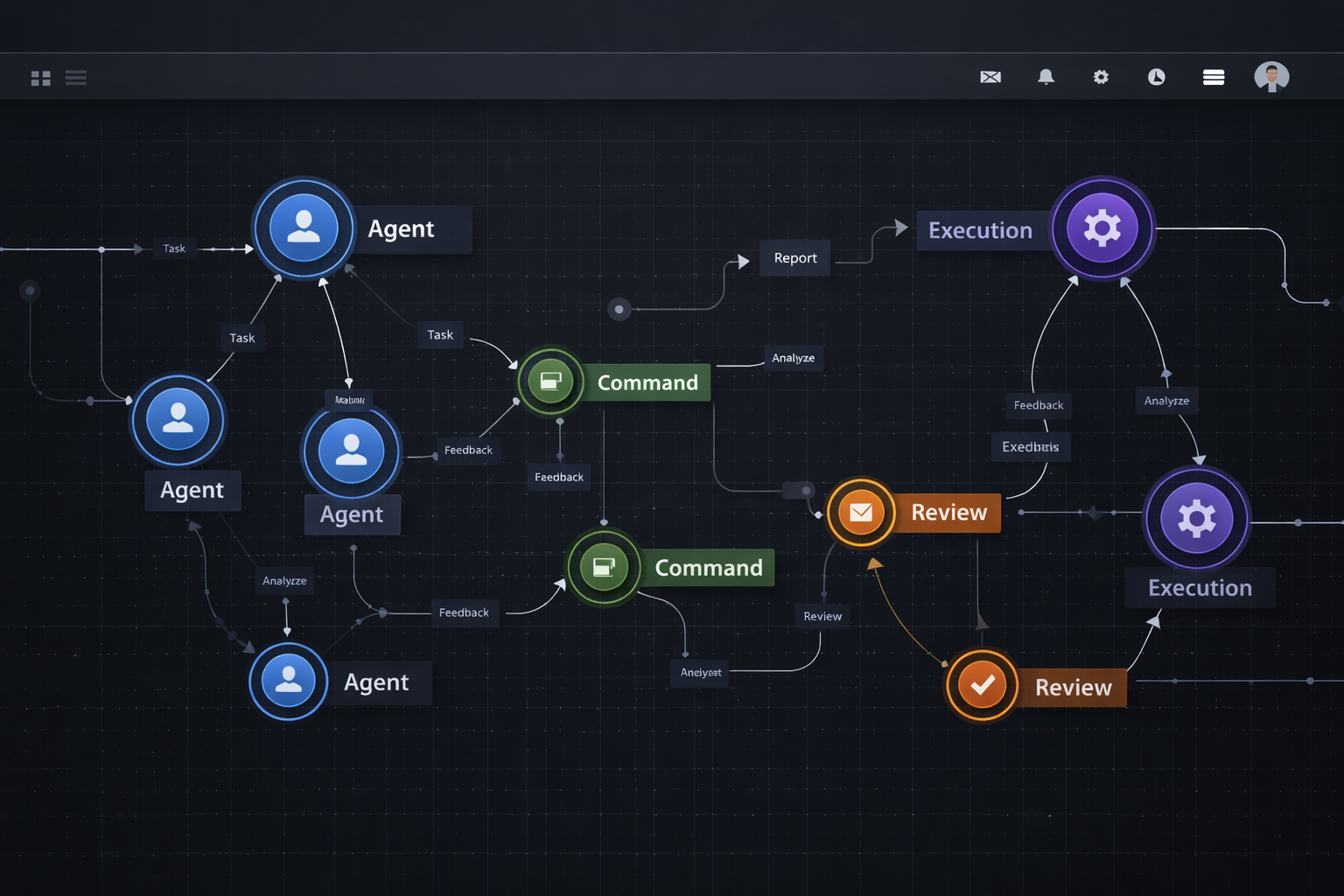 Workflow OS
Repeatable AI Operations Framework
A 31-command execution layer with specialist agent routing and structured review flows, proving AI-assisted work can be standardized across teams with consistent, repeatable output quality.
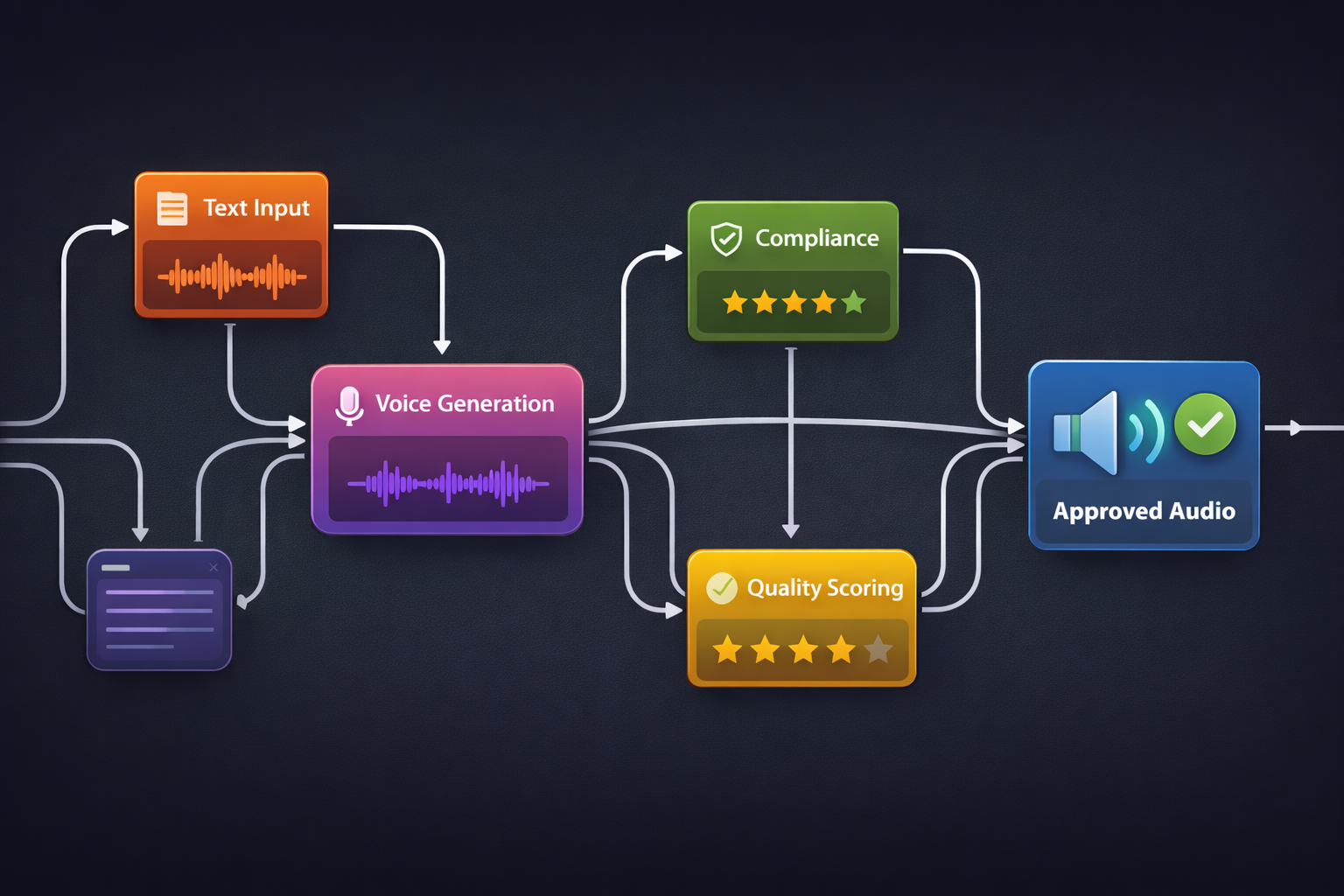 Voice AI
Automated Voice Content Pipeline
End-to-end voice workflow integrating LLMs with ElevenLabs TTS for automated script-to-audio generation, quality scoring, and compliance review before production delivery.
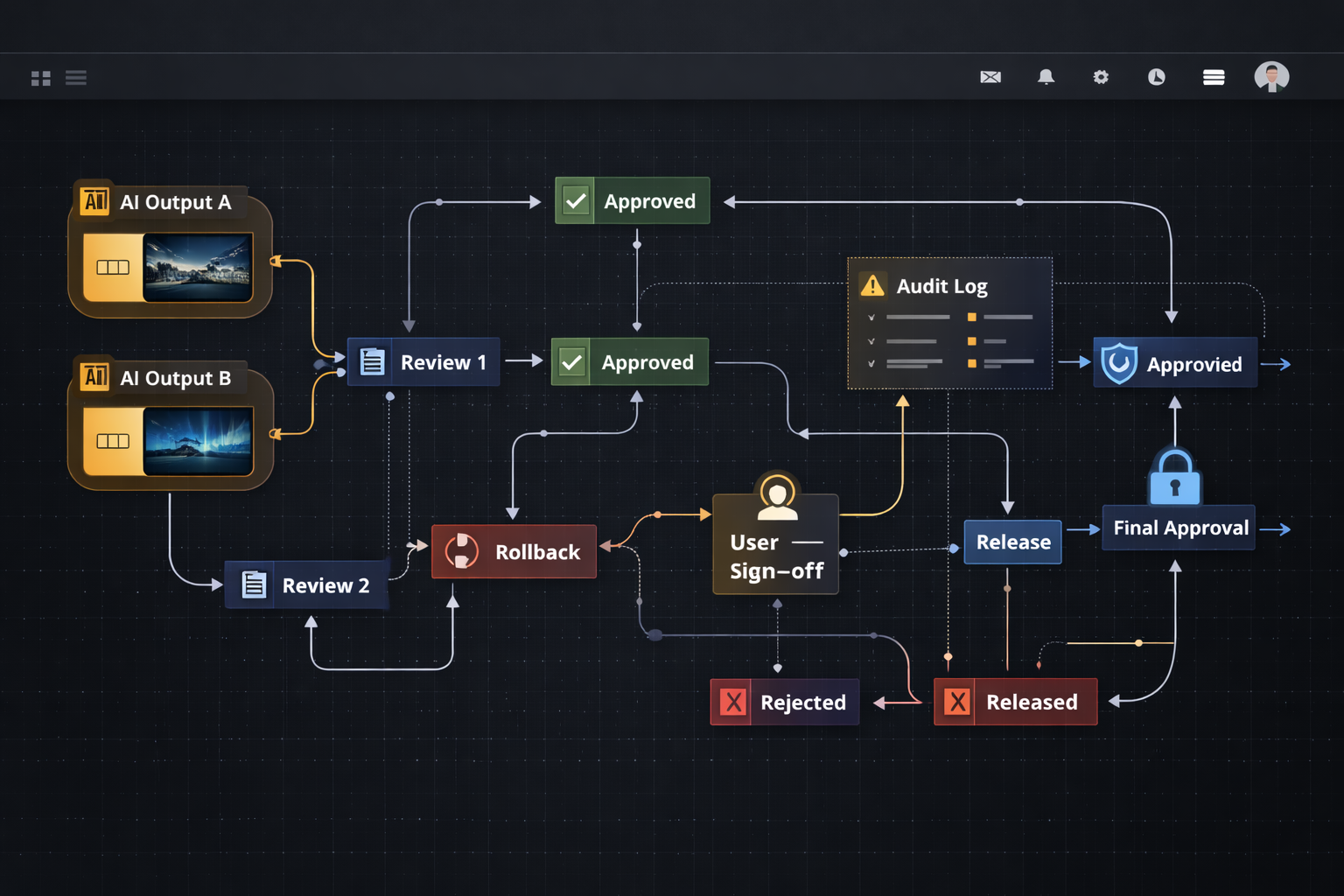 Human Gates
AI Automation with Governance Controls
Stateful automation pipelines with human-in-the-loop approval gates, structured audit trails, and rollback controls for governed AI deployment in regulated environments.
Let's architect your AI solution.
I help teams bridge the gap between AI potential and real-world business results.